ITE Canada invites you to join us for a Virtual Technical Symposium to be held on Thursday, December 3, 2026. Earn professional development credits (PDHs) and learn from four virtual sessions on Special Event Management, Complete Streets, Road Safety & Vision Zero, and Transportation Systems & Operations. We invite you to explore the program, consider opportunities to showcase your company, and mark your calendar!
The symposium will feature presentations from across Canada in four live virtual sessions with short breaks in between. Sessions will be recorded and made available to registrants.
| START TIME | SESSION | |
|---|---|---|
| Pacific | Eastern | |
| 9:00 | 11:00 | 1 – Special Event Management Sponsored by Bunt & Associates |
| 10:05 | 12:05 | Break |
| 10:20 | 12:20 | 2 – Complete Streets |
| 11:20 | 13:20 | Break |
| 11:35 | 13:35 | 3 – Road Safety & Vision Zero |
| 12:35 | 14:35 | Break |
| 12:50 | 14:50 | 4 – Transportation Systems & Operations |
| 14:00 | 16:00 | Symposium ends |

9:00 am – 10:05 am (Pacific)
11:00 am – 12:05 pm (Eastern)

Bunt & Associates is a leading transportation planning and engineering firm in Western Canada. For over 30 years, we have partnered with both public and private sector clients to help achieve highly livable communities. Our innovative solutions include all aspects of transportation engineering, parking, sustainable transportation planning, safety, design, and public participation. Our team also brings specialized experience in event management planning, helping our clients plan for the safe and efficient movement of people to, from, and around major event venues. Notable projects include the Calgary Event Centre (Scotia Place) Preliminary/Draft Event Management Plan, Grand Opening Traffic Accommodation Strategies for major malls in the Prairies, as well as transportation management plans for the Tsawwassen Mills Grand Opening and major music festivals in British Columbia.
This session will go behind the scenes of two major global events held in Canada this year and the mobility management work that was required to make these events possible.

MODERATOR
Destiny Piper, ITE Canada Vice President & KGS Group

Sherwood is a transportation engineer who has primarily focused on traffic management, events, and long range urban transportation planning.
Over the course of seven FIFA Men’s World Cup matches hosted in the summer of 2026, Vancouver welcomed hundreds of thousands of fans including many visitors from around the world, all while keeping the city moving. This presentation highlights how Vancouver planned and delivered an excellent World Cup transportation experience for visitors, residents, and businesses alike.
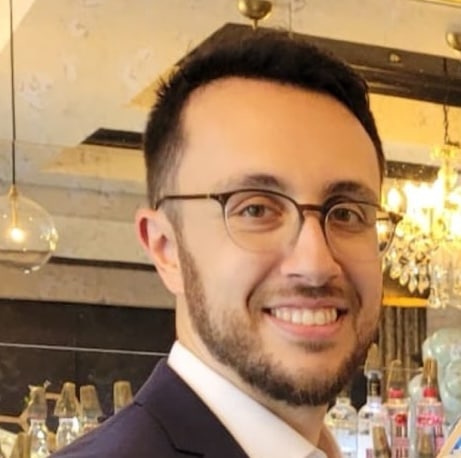
Davide Campellone, ing., is a transportation engineer with the City of Montreal, where he has worked since 2016. He is part of the team responsible for coordinating temporary and permanent traffic signal controller plans citywide and supporting traffic operations for major special events. His work focuses on optimizing traffic flow and ensuring safe and efficient transportation operations throughout Montreal.
In support of the 2026 UCI Road World Championships in Montréal, the City of Montréal explored a technology-driven approach to traffic and mobility management aimed at reducing congestion. Through a collaboration between the Innovation and Mobility Management Division and the Montréal Police Service (SPVM), the project leveraged the capabilities of the Urban Mobility Management Centre (CGMU), including video surveillance, real-time performance indicators, and online monitoring platforms. The initiative demonstrated how dynamic traffic signal management can enhance network efficiency, support road user safety, and mitigate the impacts of major events through proactive, data-driven traffic operations.

10:20–11:20 am (Pacific)
12:20–1:20 pm (Eastern)
This session will highlight complete streets projects transforming communities across the country as well as strategies municipalities are using to shape future improvements.

MODERATOR
Julia Salvini, ITE Canada District Director & Mosaic Mobility Group
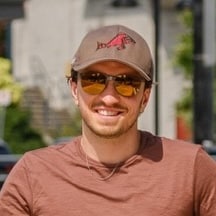
Scott MacDonald is a Sustainable Transportation Planner based in Squamish, BC. He is passionate about learning from international planning and design practices—particularly those from the Netherlands—and exploring how they can be adapted to projects across Western Canada. His curiosity provides insight into how communities can most effectively advance goals related to sustainable mode shift, vision zero, and sustainability.
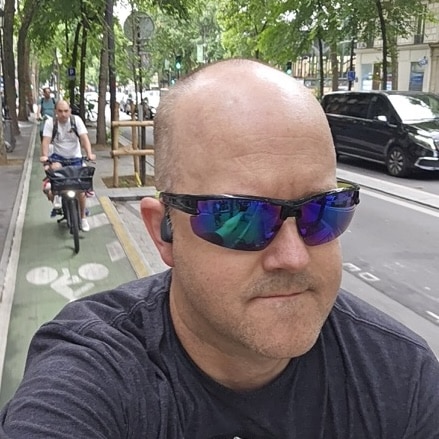
Tom Thivener has two decades of experience implementing active transportation improvements across Tucson, Calgary, and Vancouver. Since 2022, he has served as the Manager of Transportation Planning for the City of Coquitlam, continuing his extensive career in planning, designing, and engaging communities to deliver critical cycling and pedestrian infrastructure.
In 2025, Coquitlam transformed Guildford Way, a suburban arterial in a densifying part of Metro Vancouver, into a complete street. The project received the ITE International 2026 Award for Excellence in Complete Streets. This presentation will touch on:
- The Context: A suburban area growing denser, with nearby SkyTrain service reflecting that shift.
- The Problem: Walking and cycling felt uncomfortable, particularly at intersections.
- The Solution: Quick-build bike lanes followed by permanent reconstruction. We’ll compare their strengths and limitations, then examine protected intersections, floating bus stops, signal timing, and turning rules.
- The Results: Highlighted by a 99.4% reduction in critical and high-risk conflicts.

Sayan Sivapathasundaram is a Transportation Engineer with the Cycling and Pedestrian Projects unit at the City of Toronto where he works on transformative active transportation projects as a design engineer and project manager. Before joining the City, his career started as a consultant in the design and construction of linear underground infrastructure such as watermains and sewers as well as road reconstruction and road rehabilitations.
The Steeles Avenue East Complete Street project transformed a critical arterial corridor into a safer, more accessible, multimodal, and sustainable roadway. Following the Metrolinx Stouffville Line grade separation between Kennedy Road and Midland Avenue in 2023, this City of Toronto led initiative extended those benefits eastward by integrating cycling, pedestrian, and safety improvements as part of a coordinated road resurfacing and reconstruction project between Midland Avenue to McCowan Road. The project required extensive coordination with many partners and demonstrates how proactive corridor rehabilitation can be leveraged to deliver long-term mobility, safety, and environmental benefits for the community.
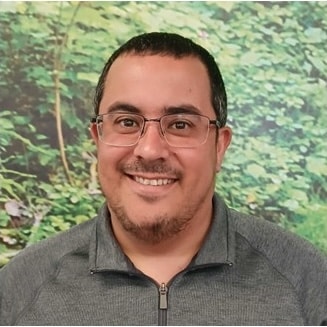
Danny brings over 15 years of experience in Transportation Engineering, with more than half of his career focused on Active Transportation. A graduate of Mohawk College’s Transportation Engineering Program, Danny has diverse experience in master plan development, cycling facility design and operations, and the delivery of innovative transportation solutions.
At the City of Hamilton, we see sustainable mobility as more than moving people from one place to another—it’s about reimagining our streets as places that connect communities, support healthy lifestyles, and create opportunities for everyone. Through the integration of our Complete Street Design Manual, meaningful public engagement, and community activation initiatives such as the Mobility Lab, we are building a new approach to how we plan and design our transportation network. The York Boulevard Cycle Track was an important first step in bringing this vision to life, demonstrating what is possible when innovative design and community voices come together to transform our streets.

11:35 am–12:35 pm (Pacific)
1:35–2:35 pm (Eastern)
This session will shine a light on municipal and provincial efforts to move communities towards safer streets through data-driven assessments, strategies, and countermeasures.

MODERATOR
Carolyn Sherstone, Symposium Committee & WSP
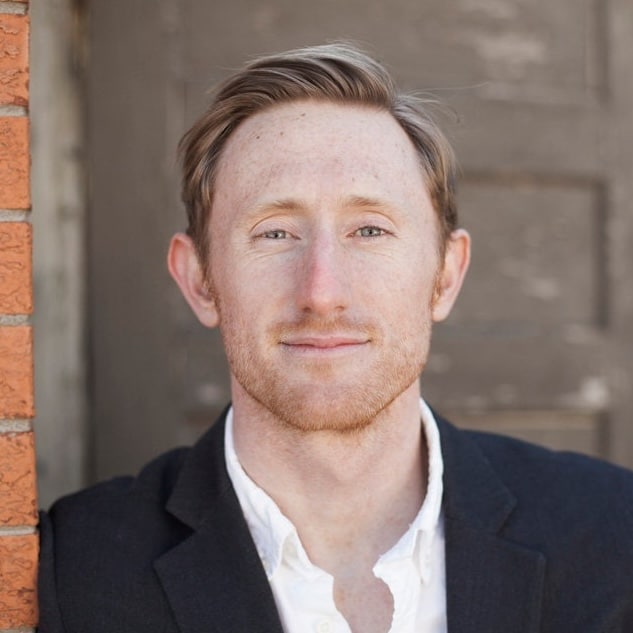
Nico Koenig is a Transportation Safety Specialist with the City of Guelph. He led the development of Guelph’s Vision Zero Action Plan, founded Canada’s High Risk Network Working Group, and is authoring ITE’s Safe System Recommended Practice. With master’s degrees in Adult Education and Urban Planning, his practice applies education and engagement principles to transportation planning.
The City of Guelph’s Vision Zero Action Plan is a plain-language, equity-informed, and data-driven report grounded in public health principles, designed to meet the urgent need to prevent further harm and create safer streets for all. The Action Plan outlines 68 interdisciplinary actions across 12 City departments using a myriad of visually captivating infographics, data analysis, maps, and local examples. It kickstarted a new way of doing things in Guelph, focused firmly on actions that prevent collision causing injuries, reduce risk and exposure across our transportation system, and communicating this new approach effectively. This presentation will share the story behind the Action Plan, key lessons learned, achievements to date, and what comes next.

Monique Beaudry, P.Eng., RPP has been providing transportation planning and engineering services in Western Canada and Ontario for 38 years, of which 20 has been with Associated Engineering. She works in a variety of contexts from small rural communities to large metropolitan areas in topics of road safety, travel demand forecasting, and transportation master planning.
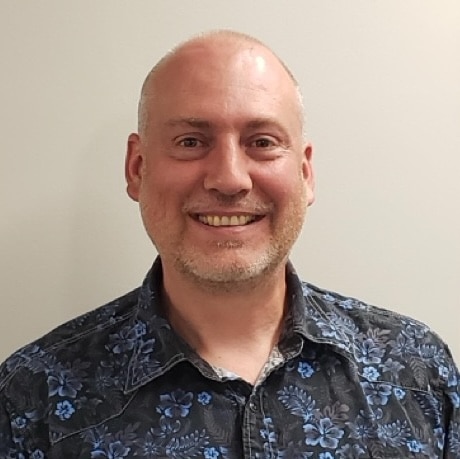
Jeffrey Holland, P.Eng., has a variety of experience with Saskatchewan Ministry of Highways and City of Regina in the areas of safety, traffic operations, planning studies, and infrastructure projects. Jeff currently leads the group that develops standards and technical policies related to traffic safety and operations and teaches a traffic engineering course at the University of Regina.
This presentation will provide an overview of a systemic safety assessment of highway intersections project completed by Associated Engineering with support from Human Factors North for the Saskatchewan Ministry of Highways. The result was a repeatable, data-driven screening tool that feeds project development, funding prioritization, and post-implementation evaluation. The project developed a plan to proactively reduce the risk of severe collisions over the whole highway network and demonstrated that Saskatchewan has a solid foundation of collision data, road characteristic data, and traffic volume data while identifying areas for improvement. The resulting recommendations will guide the Ministry’s approach to prioritizing intersection safety improvements.

Kanny Chow, M.Eng., P. Eng., PTOE is a Transportation Engineer for the City of New Westminster with over 30 years of professional experience in transportation engineering and planning. His responsibilities include addressing road safety and traffic operational issues, as well as helping develop the City’s Vision Zero policy.

Alvin Tse, P.Eng., RSP1 is a Road Safety Lead in ISL’s Transportation Planning sector, delivering technical projects across Western Canada. Over the past 13 years, he has supported the City of New Westminster with network screening studies, road safety reviews, and traffic management plans, guided by Vision Zero and Safe System principles.

Omid Ebadi, M.Sc., P.Eng. is a Transportation Engineer at ISL Engineering and Land Services with over ten years of experience in road safety, traffic engineering, and transportation planning. He applies Vision Zero and Safe System principles through network screening, collision analysis, video conflict analysis, and school-connections safety reviews in New Westminster, BC.
Sixth Avenue and Second Street in New Westminster, beside Herbert Spencer Elementary, is a daily route for hundreds of students and families. Recurring curb-mounting incidents and a high share of injury collisions a Road Safety Review. The review combined insurance and police collision data, field observations, community input, operational modelling, and AI-based video conflict analysis using TrafxSAFE. Over 60 hours of footage revealed frequent pedestrian-vehicle near misses, aggressive turning, queue spillback, limited sightlines, and speeding in the school zone.
Guided by Vision Zero and the Safe System approach, ISL developed achievable, data-driven countermeasures including a full traffic signal with Leading Pedestrian Intervals and no right turn on red, speed feedback signs, painted markings, curb extensions and speed tables, and improved lighting. These measures have lowered the risk of Killed or Seriously Injured (KSI) collisions through lower speeds, a formalized intersection, and greater pedestrian priority. Many of these improvements can be piloted first with modular materials, offering an approach that can be applied by other municipalities.

12:50–2:00 pm (Pacific)
2:50–4:00 pm (Eastern)
This session will explore various aspects of transportation systems planning, traffic operations and tools to inform decision-making in the face of various constraints.

MODERATOR
Breanna Jackson, Symposium Chair & Associated Engineering

Mehdi Nourinejad is an Associate Professor of Civil Engineering at York University, an Amazon Scholar, and an Adjunct Professor at the University of Toronto. He leads the Interactive-OR research group, developing AI-driven optimization and decision-support tools for public transit, traffic operations, and urban mobility planning in collaboration with industry and government partners.
This presentation introduces an AI-driven real-time decision-support platform developed by York University and the Toronto Transit Commission (TTC) to improve transit reliability by addressing bus bunching and service gaps. Integrating real-time vehicle data, predictive analytics, and optimization, the platform identifies headway disruptions and recommends corrective interventions, including targeted vehicle holding. During a six-month TTC pilot, operators made 14,672 decisions, and 88.4% of bunching events with applied holds were reported as resolved within 14 minutes. The presentation will highlight the underlying methodologies, operational results, human-in-the-loop decision-making, and lessons learned from deploying AI-enabled transportation systems management tools in practice.
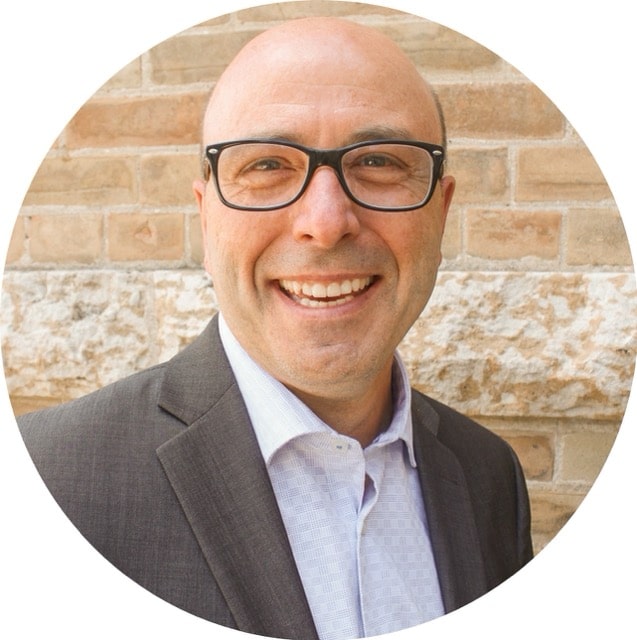
Bruce is passionate about transportation and strongly believes that everyone should follow their passions. He has spent time teaching as an adjunct professor at the University of Regina and has volunteered throughout his career with ITE, serving as both ITE Canada president and ITE International President. Bruce currently chairs the board for ITE Canada’s charitable foundation recognizing and supporting future transportation leaders.
Destiny practices transportation planning, traffic engineering and operations, and stakeholder engagement in Saskatchewan. She has served on the ITE Saskatchewan Section and the ITE Canada District Executives. She has also been recognized as both an ITE International Young Leader to Follow and ITE Canada Rising Star.
Moose Jaw – with a strong tourist focus – is a small municipality located in southern Saskatchewan with a population of 34,000 residents. Several years ago, the City of Moose commissioned a study to renew their dated Transportation Master Plan. Like most small municipalities, Moose Jaw has many more infrastructure needs than there is money available to fix them and the City wanted a comprehensive investigation of 15 different focus areas, including signal equipment condition, corridor operation, rail crossing assessment, school zone safety, transit system review, cycling network needs, sidewalk and pathway deficiencies, etc. Fortunately, there was ample budget to develop a comprehensive plan. But what happens when there is not enough money to implement all of the network changes a municipality needs?
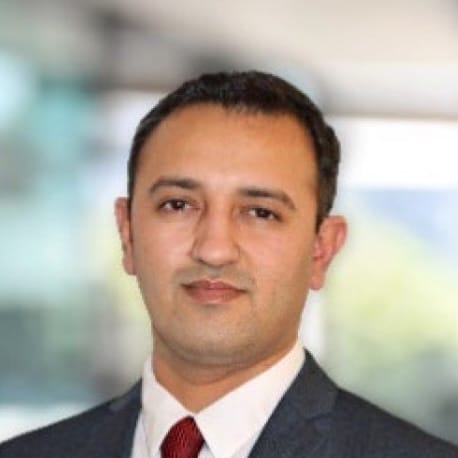
Keyur has 25 years of professional experience in leading transportation planning and traffic engineering studies including Transportation Master Plans, feasibility and functional planning studies, traffic operational analysis for Municipal and Provincial EA and TPAP studies, and detailed design studies. He has experience in developing, updating, and calibrating travel demand and micro-simulation models for over 120 projects for public sector clients in Canada.
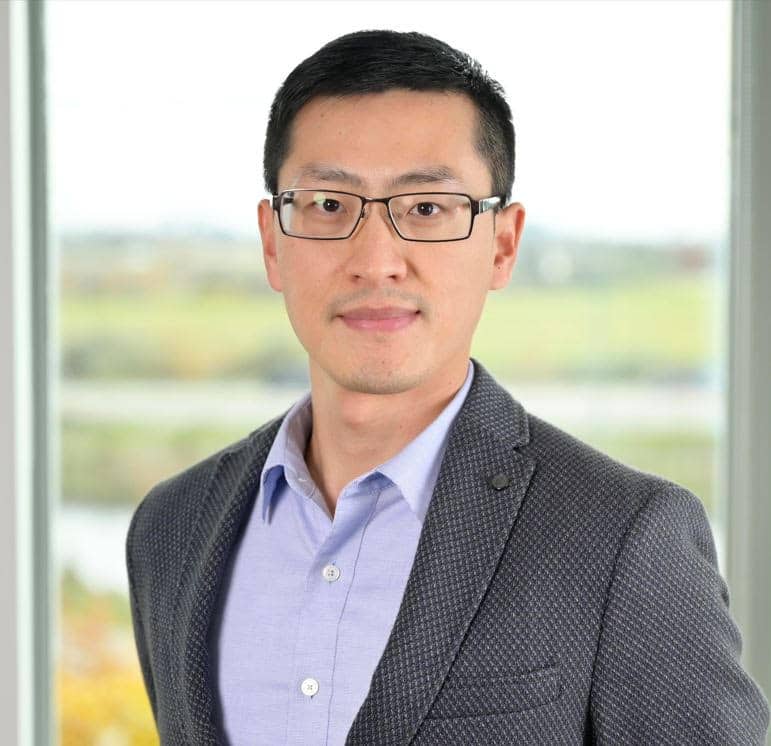
Qingjie has 15 years of experience in traffic and transportation engineering. He specializes in multi-scale traffic modelling, travel demand forecasting, traffic operations, and microsimulation. His experience spans transportation planning, environmental assessments, traffic impact studies, transit planning, and transportation design projects.
Major freeway construction projects can significantly affect traffic operations, requiring agencies to balance infrastructure renewal with mobility and safety. This presentation demonstrates how a multi-scale traffic modelling framework was used to support construction staging for the QEW Garden City Skyway project in Niagara Region. By integrating regional travel demand modelling, microsimulation, and intersection operations analysis, the study evaluated construction-related traffic impacts, identified diversion patterns, and assessed mitigation measures across both freeway and local road networks. The results informed staging decisions, reduced project delivery risks, and helped maintain network performance. The approach provides a practical and transferable framework for managing traffic during major transportation infrastructure projects.
Showcase your company with a symposium sponsorship for only $500. Each sponsoring company will select one session to sponsor based on order of registration.
Each sponsor receives the following benefits:
Purchase a sponsorship in the ticket list below or contact us with questions.
Registered attendees will receive access to all four live sessions plus a certificate for 4.5 professional development credits (PDHs) provided by ITE International. Recordings will also be made available to registrants for a limited period after the symposium.
| Category | Fee | Criteria |
|---|---|---|
| ITE Member* | $75 | Must be a registered ITE member with current dues paid |
| ITE Young Member* | $50 | Must be an ITE Young Member (a non-student between the ages of 22 and 29) with current dues paid |
| ITE Student Member* | $10 | Must be a current full-time post-secondary student and registered ITE member. ITE membership is free for full-time undergrad and graduate students. Become a Student ITE Member here. |
| Non-Member | $125 | Anyone who is not a current paid ITE member |
| Groups | 30% off | Receive a 30% discount on 4+ regular ITE Member ($75) and/or Non-Member ($125) registrations purchased together. This allows you to tune in separately from remote offices or gather in a boardroom to learn together. Each attendee must be registered to participate and receive PDH credits. |
| *ITE member number required to register for member rates. If you do not know your ITE member number, you can retrieve it here on ite.org by clicking “Forgot Username”. | ||
Registration will close on Tuesday, December 1, 2026 at 12 noon ET